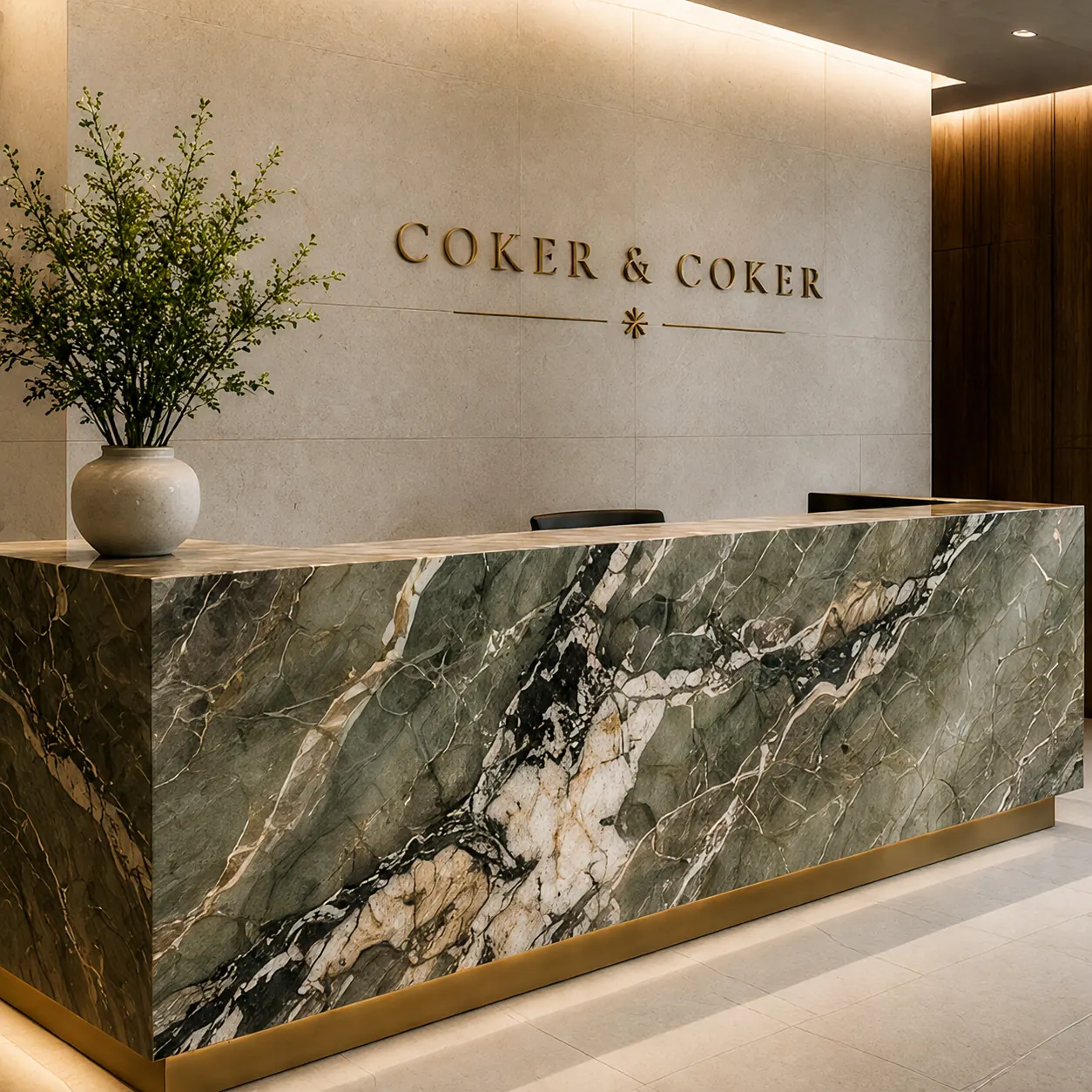
Dallas commercial lawyer searches often come from owners, executives, investors, and professionals who need a clear path forward. In Dallas, those disputes may involve downtown towers, private companies, family-owned businesses, investors, and professional service firms. Coker & Coker, PLLC. brings Dallas-based commercial litigation counsel to clients who need direct analysis, strong preparation, and a strategy that fits the real business problem.
Every Dallas matter starts with context. Dallas disputes often move through dense records, investor communications, vendor contracts, executive decisions, and deadlines tied to downtown business operations. A contract problem, fraud concern, ownership fight, or confidentiality issue may need a different first move. Coker & Coker studies the record before recommending demand, negotiation, filing, emergency relief, mediation, trial preparation, or appeal work.
Relentless. Strategic. Discreet.
Dallas Commercial Lawyer
The work should feel clear, steady, and purposeful. Coker & Coker, PLLC. brings a litigation mindset to business problems that can affect money, control, confidential information, ownership, and reputation.
For Dallas clients, local judgment matters because the legal issue is usually tied to an operating reality: records, money, control, confidential information, reputation, or a relationship the business still needs to manage. Coker & Coker, PLLC. keeps that business pressure connected to the legal plan.
A strong litigation plan begins with the record. Contracts, emails, text messages, financial data, board materials, access logs, notices, and witness timelines can all change the strength of a claim or defense. The first task is to separate facts that carry legal weight from facts that only add noise.
Commercial disputes also need business judgment. A client may need money recovered, confidential information protected, control restored, a contract enforced, a judgment challenged, or leverage for a practical resolution. The legal work should support that goal instead of drifting away from it.
Coker & Coker, PLLC. is based in Dallas and represents clients across the Dallas-Fort Worth area and Texas. The firm handles matters involving state court, federal court, arbitration, emergency injunctions, complex records, and high-stakes business relationships.
Litigation Timeline
Local Counsel With a Litigation Plan
Coker & Coker builds leverage in stages. Each step narrows the facts, protects the record, and keeps the legal work tied to the business result.
01
Define the Business Result
The first question is practical: what result does the client need? The answer may be payment, an injunction, a controlled exit, restored access, protected records, or leverage for a better negotiation.
02
Build the Factual Record
Contracts, texts, board materials, accounting records, customer communications, and witness timelines are organized early so the case rests on proof instead of pressure.
03
Test the Other Side’s Story
Confident accusations do not always match the documents. Careful review helps separate real exposure from noise before the client commits to a demand, filing, mediation, or hearing strategy.
04
Keep Remedies in View
Damages, fees, injunctions, declaratory relief, rescission, enforcement, and appellate options shape the path. The remedy should guide the strategy before the first major move.
05
Explain the Next Move
Clients should understand what happened, what the law requires, what risks remain, and why the next step makes sense. Clear communication keeps the matter controlled.
Case Architecture
The Facts, Remedies, and Business Pressure
A serious dispute should not become a long list of disconnected accusations. We shape the record into practical modules so the client can see what matters, what is missing, and what can be done next.
The Legal Hook
We identify the claim, defense, duty, contract term, regulation, or court order that will carry the most weight.
The Business Harm
We connect the dispute to money, control, reputation, confidential information, operating pressure, and the client relationship that needs protection.
The Proof Trail
We organize the documents, messages, financial records, downloads, notices, witness timelines, and decision points that can prove what happened.
The Timing Problem
We look for deadlines, emergency remedies, notice requirements, preservation duties, and negotiation windows before those choices narrow.
The Leverage Point
We test what the other side needs, what they fear, where the documents are strong, and where a focused motion or demand can shift momentum.
The Resolution Path
We decide whether the matter needs a direct demand, private negotiation, mediation, emergency relief, discovery, trial preparation, or appeal work.
Relentless. Strategic. Discreet.
The Facts, Remedies, and Business Pressure
Serious disputes often begin before anyone feels fully ready. The record may be incomplete. The other side may be moving quickly. A deadline may be close. Coker & Coker helps clients slow the situation down enough to see the strongest next move, then act with purpose.
The firm uses the details that matter, not noise. That means documents, timelines, witness knowledge, business impact, remedies, and the practical leverage that can change the outcome.
Business disputes are rarely solved by one fact. They are solved by patterns. The right pattern may be a broken promise, a hidden transfer, a conflicted fiduciary, a misused trade secret, a misleading investment pitch, or a board decision made without authority.
That is why Coker & Coker builds the case in layers. First, the team clarifies the facts. Then it tests the law. Next, it looks at remedies. Finally, it gives the client a plan that can be used in negotiation, litigation, or trial preparation.
Documents First
Strong commercial litigation work starts with the written record. Contracts, emails, texts, financial records, policies, meeting minutes, notices, and transaction logs often show the sequence better than memory can.
Strategy Second
After the record is organized, the strategy becomes more concrete. The firm can evaluate claims, defenses, remedies, damages, negotiation pressure, and the likely cost of each path.
Action With Purpose
Some disputes need a letter. Some need a lawsuit. Some need an injunction, internal investigation, appeal, or settlement push. The right move depends on timing and proof.
Focused Litigation Strategy, Built From the Record
The firm studies the documents, the people, the business pressure, and the remedy before choosing the next move. That approach keeps the case organized and gives the client a clearer basis for negotiation, filing, mediation, trial preparation, or appeal.
Evidence Strategy
Records That Can Carry the Case
The strongest record is usually built before the dispute becomes loud. Coker & Coker starts by deciding which documents explain the conduct, which records prove the loss, and which facts show why the issue matters to the business.
The first review asks what the records can prove about Dallas emergency litigation decisions. The core records work helps the client see what can be proven, what still needs support, and which facts should be protected before the next demand, filing, mediation, hearing, or appeal deadline. That discipline reduces reactive decisions. It also keeps the response tied to leverage, documentation, cost, and the long-term business result.
Witness Timeline: Dallas Contract Disputes
Timing can change the value of Dallas contract disputes. The witness timeline work helps the client see what can be proven, what still needs support, and which facts should be protected before the next demand, filing, mediation, hearing, or appeal deadline. That discipline reduces reactive decisions. It also keeps the response tied to leverage, documentation, cost, and the long-term business result.
Financial Trail: Dallas Business Fraud Claims
Leverage often depends on how Dallas business fraud claims connects to money, control, reputation, or confidentiality. The financial trail work helps the client see what can be proven, what still needs support, and which facts should be protected before the next demand, filing, mediation, hearing, or appeal deadline. That discipline reduces reactive decisions. It also keeps the response tied to leverage, documentation, cost, and the long-term business result.
Risk Review
Timing, Remedies, and Pressure Points
A commercial dispute changes quickly when deadlines, emergency remedies, or competing business needs enter the picture. The firm reviews those issues early so the client can act from position instead of panic.
Deadline Review: Dallas Contract Disputes
Timing can change the value of Dallas contract disputes. The deadline review work helps the client see what can be proven, what still needs support, and which facts should be protected before the next demand, filing, mediation, hearing, or appeal deadline. That discipline reduces reactive decisions. It also keeps the response tied to leverage, documentation, cost, and the long-term business result.
Emergency Options: Dallas Business Fraud Claims
Leverage often depends on how Dallas business fraud claims connects to money, control, reputation, or confidentiality. The emergency options work helps the client see what can be proven, what still needs support, and which facts should be protected before the next demand, filing, mediation, hearing, or appeal deadline. That discipline reduces reactive decisions. It also keeps the response tied to leverage, documentation, cost, and the long-term business result.
Preservation Steps: Dallas Partnership and Ownership Disputes
A useful plan treats Dallas partnership and ownership disputes as part of the full record, not a loose fact. The preservation steps work helps the client see what can be proven, what still needs support, and which facts should be protected before the next demand, filing, mediation, hearing, or appeal deadline. That discipline reduces reactive decisions. It also keeps the response tied to leverage, documentation, cost, and the long-term business result.
Business Context
The Business Goal Behind the Legal Work
Legal rights matter. So do business goals. A client may need money recovered, confidential information protected, a contract enforced, a partner removed, a judgment challenged, or leverage for a practical resolution.
Operational Impact: Dallas Business Fraud Claims
Leverage often depends on how Dallas business fraud claims connects to money, control, reputation, or confidentiality. The operational impact work helps the client see what can be proven, what still needs support, and which facts should be protected before the next demand, filing, mediation, hearing, or appeal deadline. That discipline reduces reactive decisions. It also keeps the response tied to leverage, documentation, cost, and the long-term business result.
Relationship Pressure: Dallas Partnership and Ownership Disputes
A useful plan treats Dallas partnership and ownership disputes as part of the full record, not a loose fact. The relationship pressure work helps the client see what can be proven, what still needs support, and which facts should be protected before the next demand, filing, mediation, hearing, or appeal deadline. That discipline reduces reactive decisions. It also keeps the response tied to leverage, documentation, cost, and the long-term business result.
The team studies Dallas trade secret concerns alongside contracts, messages, financial proof, and witness knowledge. The confidentiality concerns work helps the client see what can be proven, what still needs support, and which facts should be protected before the next demand, filing, mediation, hearing, or appeal deadline. That discipline reduces reactive decisions. It also keeps the response tied to leverage, documentation, cost, and the long-term business result.
Negotiation Posture
Leverage Before Mediation or Court
Negotiation works best when the other side sees that the claim or defense is organized. A clear record, focused damages model, and credible trial posture can make private resolution more productive.
Demand Strategy: Dallas Partnership and Ownership Disputes
A useful plan treats Dallas partnership and ownership disputes as part of the full record, not a loose fact. The demand strategy work helps the client see what can be proven, what still needs support, and which facts should be protected before the next demand, filing, mediation, hearing, or appeal deadline. That discipline reduces reactive decisions. It also keeps the response tied to leverage, documentation, cost, and the long-term business result.
The team studies Dallas trade secret concerns alongside contracts, messages, financial proof, and witness knowledge. The mediation preparation work helps the client see what can be proven, what still needs support, and which facts should be protected before the next demand, filing, mediation, hearing, or appeal deadline. That discipline reduces reactive decisions. It also keeps the response tied to leverage, documentation, cost, and the long-term business result.
Before a demand or filing, Dallas fiduciary duty claims has to be tested against the remedy the client may need. The settlement guardrails work helps the client see what can be proven, what still needs support, and which facts should be protected before the next demand, filing, mediation, hearing, or appeal deadline. That discipline reduces reactive decisions. It also keeps the response tied to leverage, documentation, cost, and the long-term business result.
Court Readiness
Themes for Judge, Jury, or Arbitrator
If the matter must move into court or arbitration, the case needs a clean story. The facts should be organized around duties, promises, decisions, losses, and remedies that a neutral decision maker can follow.
Pleadings and Motions: Dallas Trade Secret Concerns
The team studies Dallas trade secret concerns alongside contracts, messages, financial proof, and witness knowledge. The pleadings and motions work helps the client see what can be proven, what still needs support, and which facts should be protected before the next demand, filing, mediation, hearing, or appeal deadline. That discipline reduces reactive decisions. It also keeps the response tied to leverage, documentation, cost, and the long-term business result.
Discovery Themes: Dallas Fiduciary Duty Claims
Before a demand or filing, Dallas fiduciary duty claims has to be tested against the remedy the client may need. The discovery themes work helps the client see what can be proven, what still needs support, and which facts should be protected before the next demand, filing, mediation, hearing, or appeal deadline. That discipline reduces reactive decisions. It also keeps the response tied to leverage, documentation, cost, and the long-term business result.
Strong preparation turns Dallas emergency litigation decisions into a clearer question for negotiation, motion practice, mediation, or trial. The trial narrative work helps the client see what can be proven, what still needs support, and which facts should be protected before the next demand, filing, mediation, hearing, or appeal deadline. That discipline reduces reactive decisions. It also keeps the response tied to leverage, documentation, cost, and the long-term business result.
Resolution Path
Remedies and Practical Outcomes
The right outcome depends on the problem. Some matters call for damages. Others require injunctions, declaratory relief, fee recovery, appeal work, negotiated exits, or changes in company control.
Damages and Fees: Dallas Fiduciary Duty Claims
Before a demand or filing, Dallas fiduciary duty claims has to be tested against the remedy the client may need. The damages and fees work helps the client see what can be proven, what still needs support, and which facts should be protected before the next demand, filing, mediation, hearing, or appeal deadline. That discipline reduces reactive decisions. It also keeps the response tied to leverage, documentation, cost, and the long-term business result.
Injunction or Enforcement: Dallas Emergency Litigation Decisions
Strong preparation turns Dallas emergency litigation decisions into a clearer question for negotiation, motion practice, mediation, or trial. The injunction or enforcement work helps the client see what can be proven, what still needs support, and which facts should be protected before the next demand, filing, mediation, hearing, or appeal deadline. That discipline reduces reactive decisions. It also keeps the response tied to leverage, documentation, cost, and the long-term business result.
Appeal and Follow-Through: Dallas Contract Disputes
The client should know whether Dallas contract disputes strengthens the position, exposes risk, or changes the cost of the fight. The appeal and follow-through work helps the client see what can be proven, what still needs support, and which facts should be protected before the next demand, filing, mediation, hearing, or appeal deadline. That discipline reduces reactive decisions. It also keeps the response tied to leverage, documentation, cost, and the long-term business result.
Client Communication
Clear Updates During a High-Stakes Dispute
A client should understand the case without needing to translate legal shorthand. Coker & Coker focuses on plain-language updates, useful timelines, and practical explanations of what each move is meant to accomplish.
Strong preparation turns Dallas emergency litigation decisions into a clearer question for negotiation, motion practice, mediation, or trial. The client meetings work helps the client see what can be proven, what still needs support, and which facts should be protected before the next demand, filing, mediation, hearing, or appeal deadline. That discipline reduces reactive decisions. It also keeps the response tied to leverage, documentation, cost, and the long-term business result.
Status Reviews: Dallas Contract Disputes
The client should know whether Dallas contract disputes strengthens the position, exposes risk, or changes the cost of the fight. The status reviews work helps the client see what can be proven, what still needs support, and which facts should be protected before the next demand, filing, mediation, hearing, or appeal deadline. That discipline reduces reactive decisions. It also keeps the response tied to leverage, documentation, cost, and the long-term business result.
Business Risk Notes: Dallas Business Fraud Claims
The first review asks what the records can prove about Dallas business fraud claims. The business risk notes work helps the client see what can be proven, what still needs support, and which facts should be protected before the next demand, filing, mediation, hearing, or appeal deadline. That discipline reduces reactive decisions. It also keeps the response tied to leverage, documentation, cost, and the long-term business result.
Decision Point
Choosing the Next Move With Discipline
Commercial litigation involves choices. The right choice may be to file, respond, mediate, investigate, preserve, appeal, or wait for a stronger record. Each decision should be tied to proof, risk, and business value.
File or Resolve: Dallas Contract Disputes
The client should know whether Dallas contract disputes strengthens the position, exposes risk, or changes the cost of the fight. The file or resolve work helps the client see what can be proven, what still needs support, and which facts should be protected before the next demand, filing, mediation, hearing, or appeal deadline. That discipline reduces reactive decisions. It also keeps the response tied to leverage, documentation, cost, and the long-term business result.
Escalate or Narrow: Dallas Business Fraud Claims
The first review asks what the records can prove about Dallas business fraud claims. The escalate or narrow work helps the client see what can be proven, what still needs support, and which facts should be protected before the next demand, filing, mediation, hearing, or appeal deadline. That discipline reduces reactive decisions. It also keeps the response tied to leverage, documentation, cost, and the long-term business result.
Trial or Appeal: Dallas Partnership and Ownership Disputes
Timing can change the value of Dallas partnership and ownership disputes. The trial or appeal work helps the client see what can be proven, what still needs support, and which facts should be protected before the next demand, filing, mediation, hearing, or appeal deadline. That discipline reduces reactive decisions. It also keeps the response tied to leverage, documentation, cost, and the long-term business result.
Questions Clients Ask
When should I contact a Dallas commercial lawyer?
Contact counsel when the dispute could affect money, ownership, confidential information, control, reputation, or an important business relationship. Early advice can help protect evidence and avoid avoidable mistakes.
Can Coker & Coker help before a lawsuit is filed?
Yes. Many matters begin with investigation, negotiation, demand letters, internal review, or risk assessment. Litigation may follow, but the first step is often a careful plan.
What should I bring to the first conversation?
Bring contracts, emails, texts, invoices, financial records, notices, court papers, and a short timeline. If you do not have everything, bring what you have. The first conversation can identify what else matters.
Will every commercial dispute go to trial?
No. Many cases resolve through negotiation, mediation, or motion practice. Still, trial readiness matters because it gives negotiations weight and helps the client make informed decisions.
How does the firm evaluate strategy?
We look at facts, law, remedies, timing, cost, business impact, and leverage. Then we explain the options in direct language so the client can choose a path with confidence.
Does location in Dallas matter?
Yes. Local courts, local business norms, and local counsel relationships can matter. Coker & Coker is based in Dallas and represents clients across the Dallas-Fort Worth area and Texas.
Send the Details Securely
A short message can help the firm understand the parties, the timeline, the documents involved, and the decision that needs to be made next.
Paste the Jotform contact form iframe embed here.
Talk With COKER & COKER
If you need a commercial lawyer, call 214-585-1212 or send a message. We can review the issue, identify the pressure points, and help you decide what to do next.